

Monologue
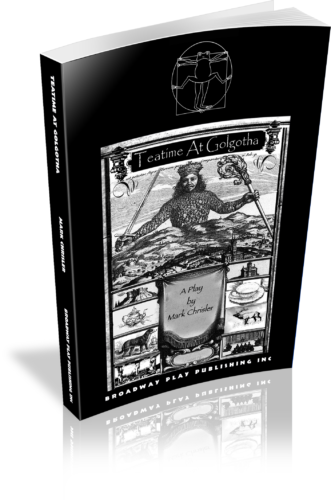
Teatime at Golgotha — Nicholas
Mark Chrisler
Nicholas: No good. No good. But, I’m gonna be better. We’re gonna have a trial, huh? I’ve always thought … have you ever read Hobbes? The Leviathan? No? Of course not. Ianthe, you’ve read Thomas Hobbes, right? See! There’s another thing! Don’t let me get off track. Hobbes got me thinking a lot about capital punishment, if it’s moral or not, you see. And I’m not sure if it serves a greater good, but that really isn’t the issue, the way I see Hobbes. It’s more about the terms of the contract — social contract. The thing is, in Hobbes day, death wasn’t — being sentenced to death, I mean — wasn’t the worst punishment. Banishment. You know, exile? Even up when Shakespeare wrote, right Ianthe? Juliet says something about banishment being worse than death? Anyway, so morally, I think we’ve got the right to it — execution, not exile, we can obviously morally exile people, even though we don’t anymore, so maybe not — I think, except for some little problems, and one of those is innocence. If someone is innocent but convicted, and we kill them, well, then, no one is safe. I’m not sure a state can ever know, I mean really know that a person is guilty, know well enough to kill them. But I can. I can know that. About the two of you. And don’t worry! We’re talking about something safer here. But worse, I think. Like in Hobbes’ day. Not even entering the suicide element. And I think I know … goes without saying, right? But I’m willing to entertain arguments. Willing to hear the story.